One of the things I love most about property is that it rewards vision.
Not optimism. Not wishful thinking. Vision.
The ability to stand in a place and see not what it is today, but what it could become.
At first glance, it was a block of ageing 1960s flats just a short walk from the beach. The building had certainly seen better days. The apartments were dark, compartmentalised and tired. Decades of wear and tear had dulled what was otherwise an exceptional location.
Most people saw an old block of flats.
I saw the possibility of creating something special.
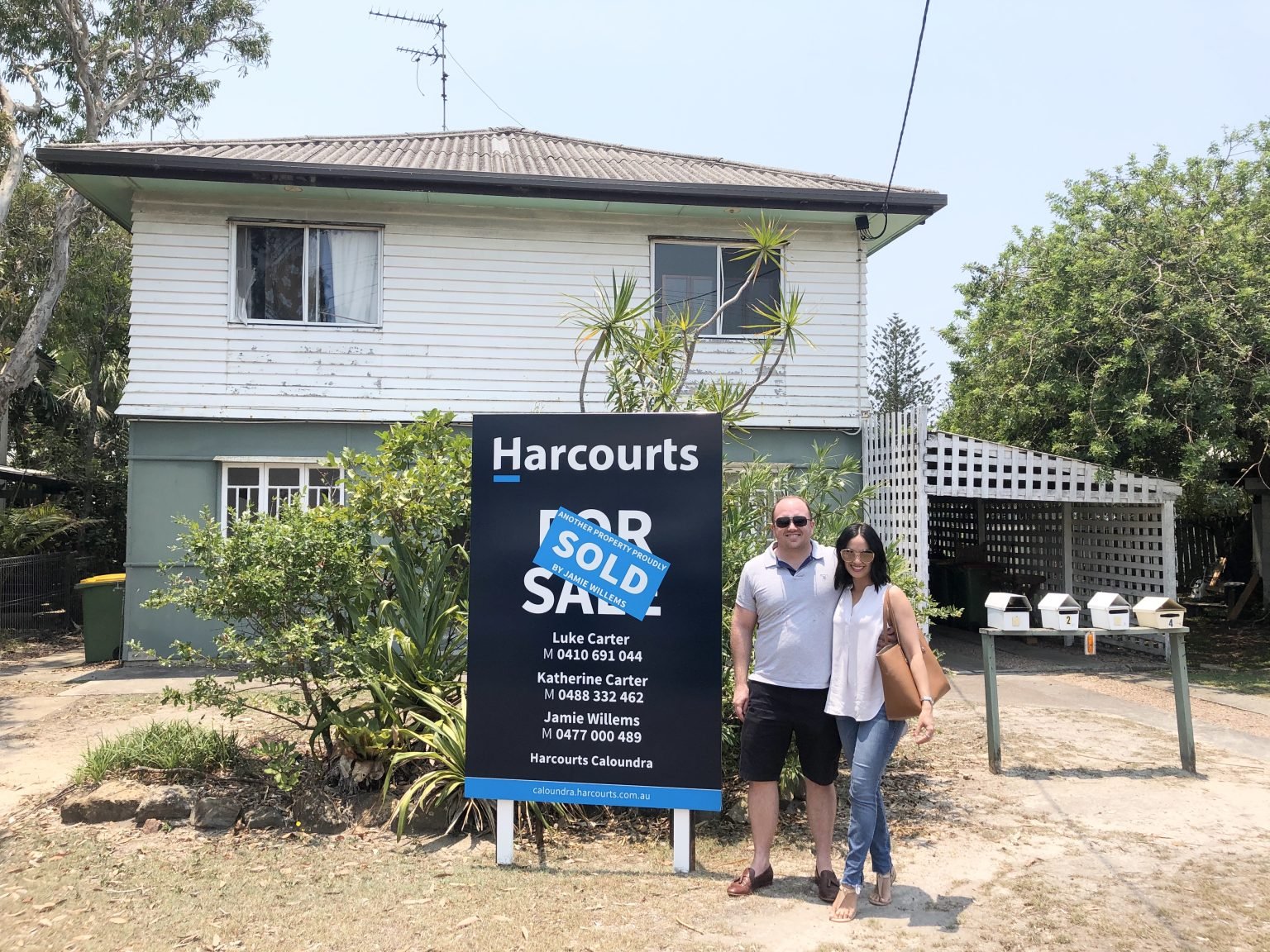
This project was one of those opportunities.
What attracted me wasn’t the building itself. It was the disconnect between the quality of the location and the quality of the product sitting on it.
The property occupied a position that people aspire to live in.
It offered a beachside lifestyle, walkability, convenience and all the things buyers consistently place a premium on. Yet the apartments themselves failed to capture any of that value.
The opportunity lay in closing that gap.
Looking Beyond the Existing Condition
One of the biggest mistakes people make in property is becoming overly focused on what currently exists.
Experienced investors and developers learn to ask a different question:
“What could this become?”
The answer to that question often determines whether a project succeeds or fails.
Older properties can be incredibly deceptive. Their current condition can disguise their future potential. The challenge is learning how to separate the physical asset from the opportunity it presents.
When I walked through these apartments, I wasn’t paying attention to the dated finishes or worn carpets.
I was studying the fundamentals.
The location.
The orientation.
The natural light.
The floor plans.
The structural limitations.
The buyer demographic.
The lifestyle offering.
Because these are the things that ultimately drive value.
The finishes can be changed.
The layout can often be improved.
The presentation can be transformed.
But location remains fixed.
And this location was outstanding.
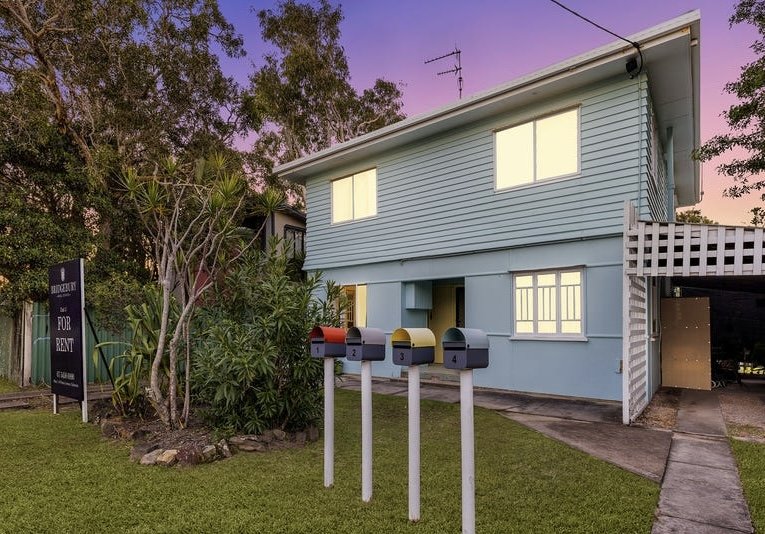
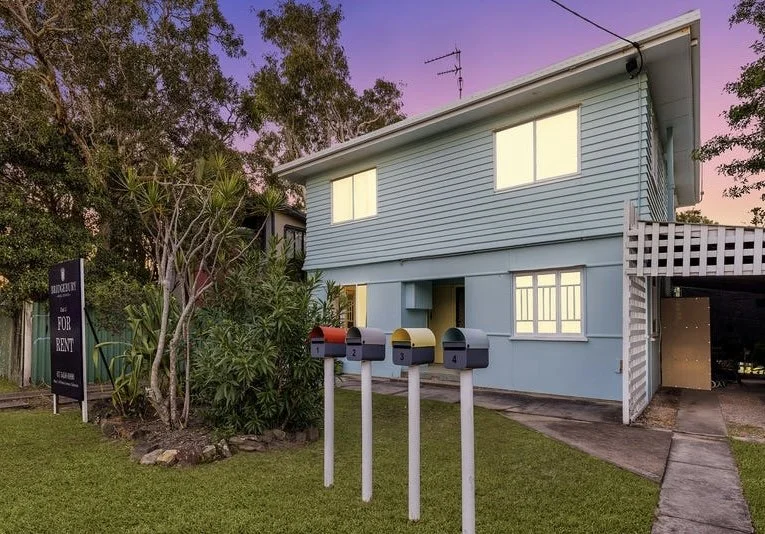
POST-RENOVATION
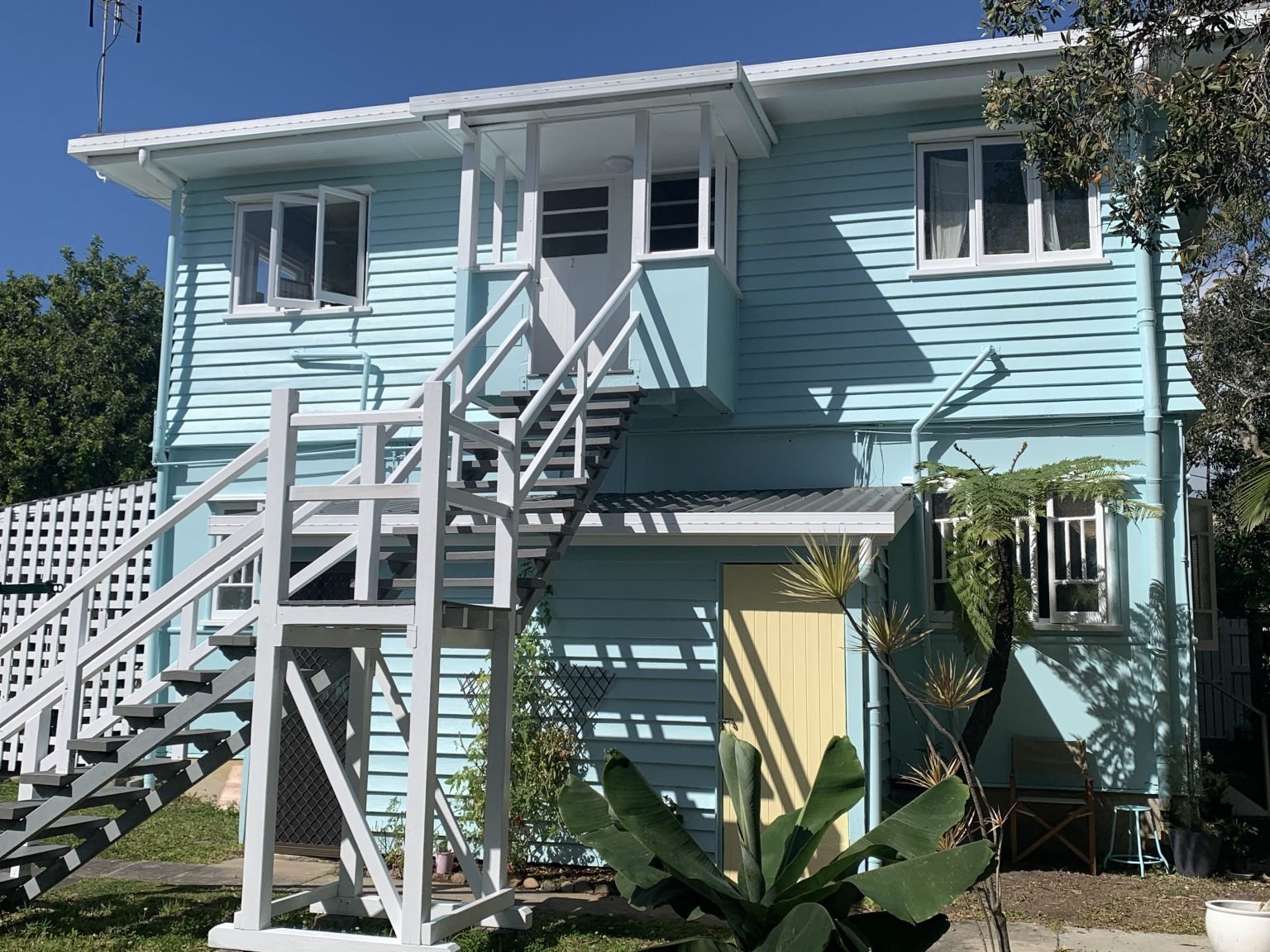
A fresh coat of paint and a colourful letterbox display that draws interest to enhance street-appeal.
Creating Homes for Modern Living
Many apartment buildings constructed in the 1960s were designed around a very different way of living.
Rooms were smaller and more segmented. Kitchens were often tucked away from living areas. Natural light wasn’t always maximised. Entertaining at home wasn’t given the same priority it is today.
Modern occupiers want something different.
They want openness.
Connection.
Functionality.
They want homes that feel effortless to live in.
The challenge with this project was finding ways to honour the building’s original character while adapting it for contemporary lifestyles.
Every decision was filtered through a simple question:
How will this improve the way someone lives here?
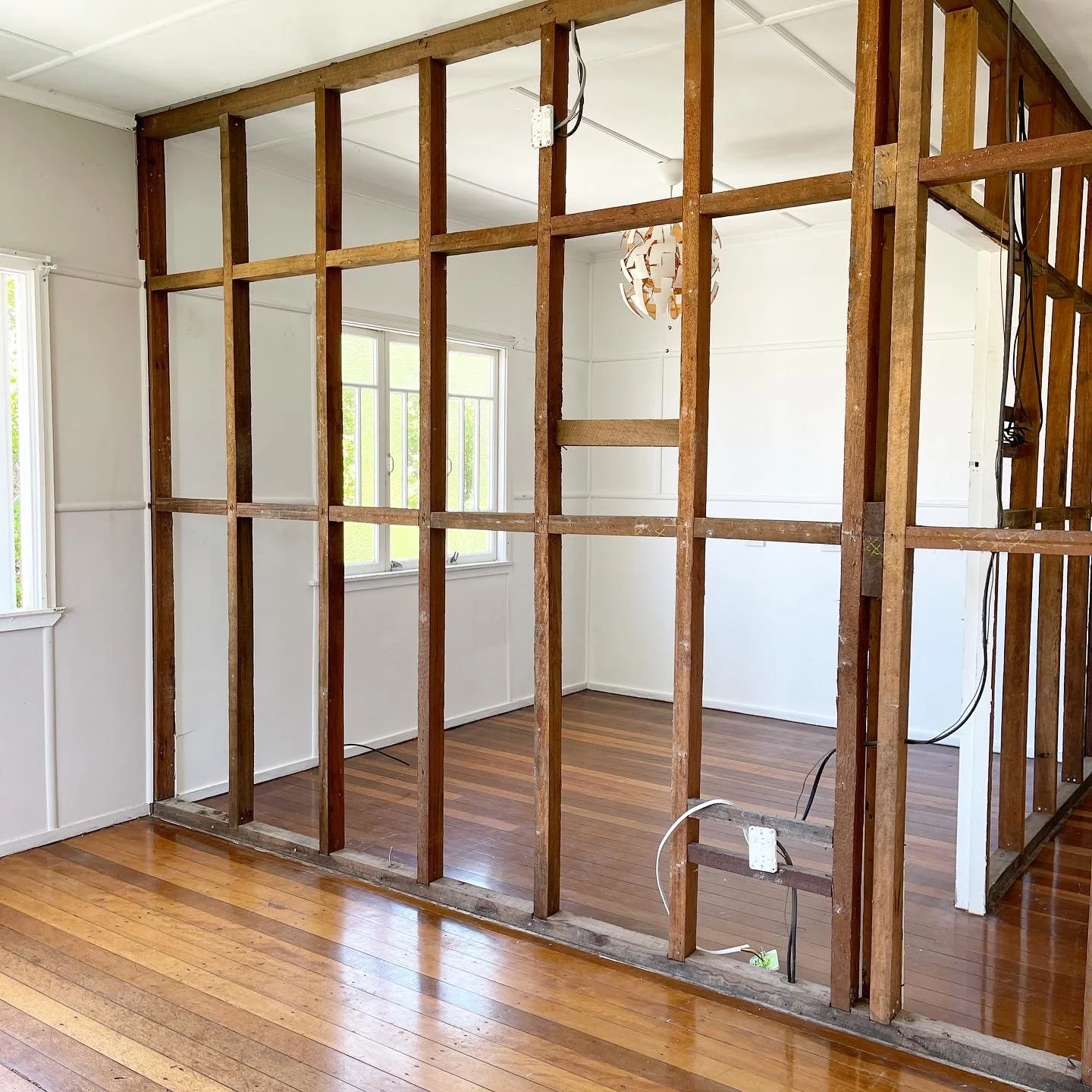
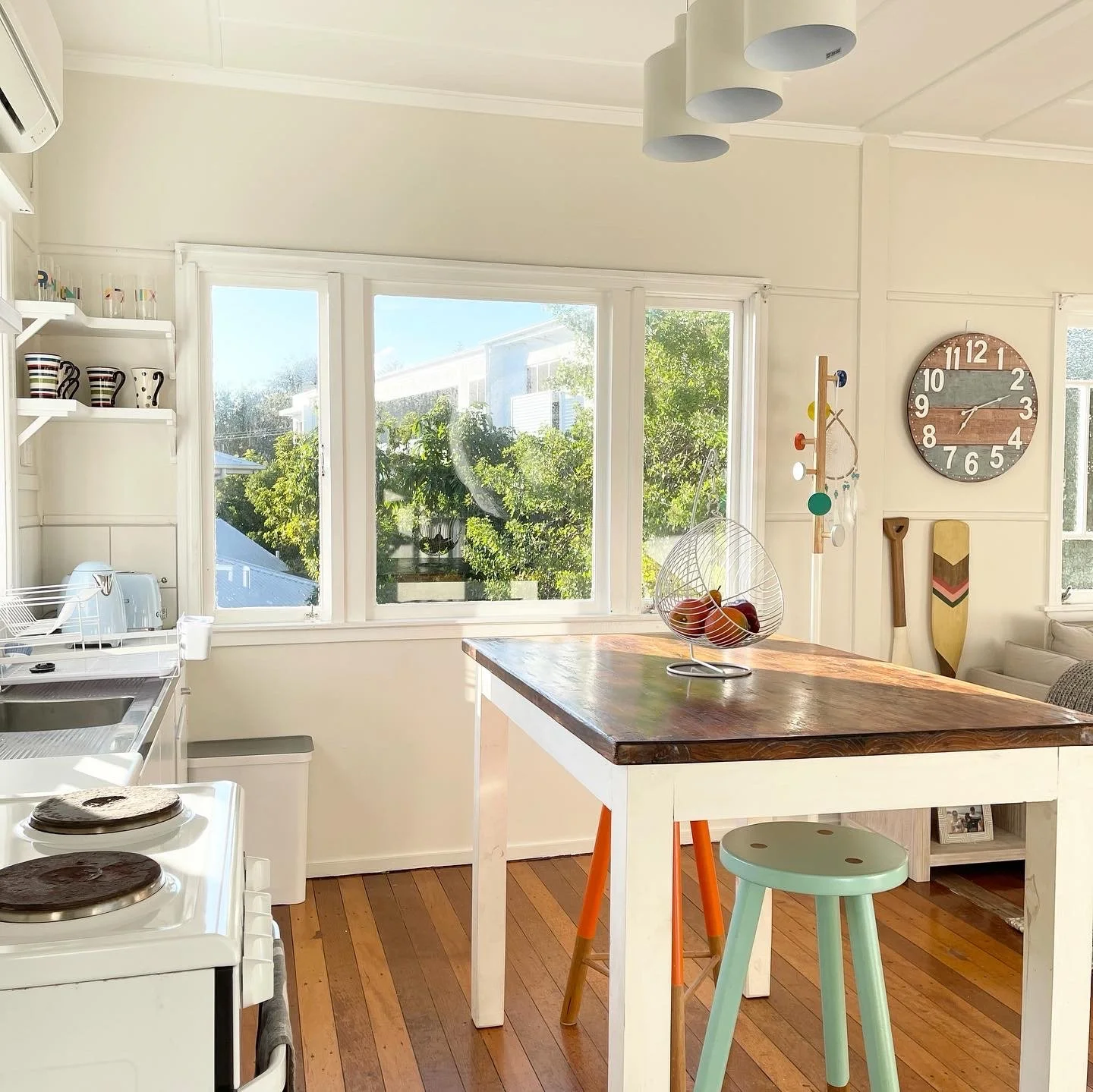
Walls were removed where appropriate to improve flow.
Layouts were reconfigured to create a stronger sense of space.
Natural light was prioritised.
Materials and finishes were selected to complement the coastal location rather than compete with it.
The goal was to create spaces that felt calm, functional and connected to their surroundings.
The Difference Between Renovation and Transformation
People often use the terms interchangeably, but I don’t believe renovation and transformation are the same thing.
A renovation improves what already exists.
A transformation changes the way people experience a property altogether.
This project was never about replacing kitchens and bathrooms.
It was about changing the emotional response people had when they walked through the front door.
I wanted occupants to immediately feel the lifestyle the location offered.
To imagine morning walks along the beach.
Coffee at the local café.
A slower, more connected way of living.
Because property is rarely just about bricks and mortar.
At its best, it’s about creating a backdrop for people’s lives.
The Reward of Seeing Potential
Projects like this remind me why I’ve always been drawn to property development.
The greatest value is rarely found in what’s obvious.
It’s found in identifying opportunities others overlook. In recognising that a tired asset can become a sought-after one.
That an outdated building can become a desirable home.
That a collection of neglected flats can evolve into something people genuinely aspire to own. Of course, that transformation doesn’t happen by accident.
It requires vision, planning, and countless decisions made long before the finished product becomes visible.
But that’s the part of the process I enjoy most.
The ability to take something overlooked and reveal its hidden value.
To see beyond the current reality and create something better.
Because the truth is, the best property opportunities rarely announce themselves.
They often arrive disguised as ageing buildings, awkward layouts and assets that others have dismissed.
And every now and then, with the right vision, those opportunities become beachside havens that are worth far more than what you originally paid.
If you’re curious :
RENOVATION TIMELINE:
Phase 1 - remove asbestos and take out the internal wall to open up the living room.
Phase 2 - fresh paint throughout.
Phase 3 - new floors or (in some instances we were able to keep the original polished floorboards).
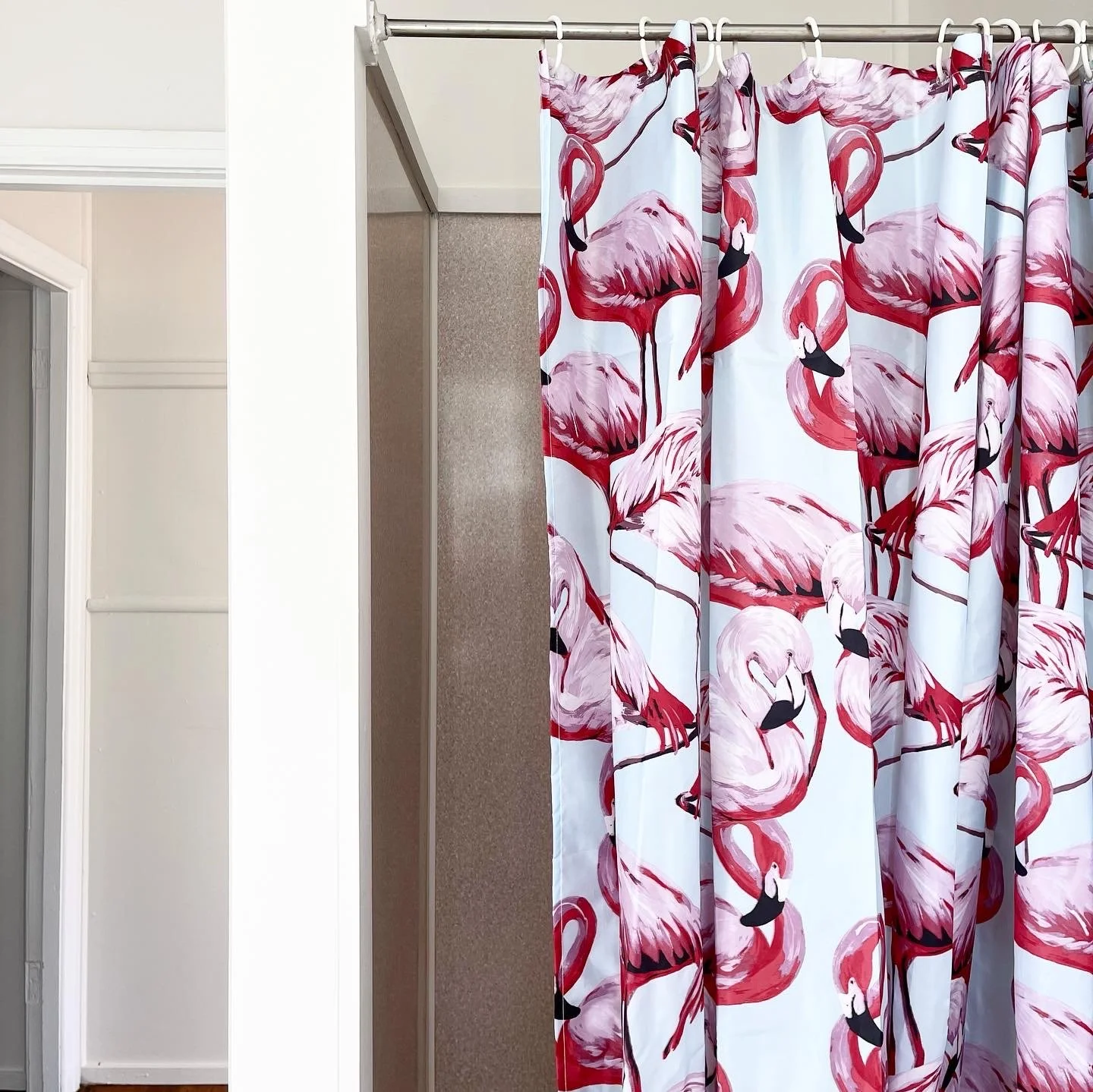
Phase 4 - minor bathroom reno - new vanity, mirror, tiles and shower curtain to add some flair.
Phase 5 - new lighting throughout - Freedom or Bunnings lights purchased on sale are the best.
Phase 6 - fresh white curtains - blockout for the bedrooms and sheer curtains everywhere else to add the "beach vibe".
ESTIMATED COST:
All up, each flat renovation cost around $10 - $12K (AUD).
We also painted the entire outside of the property in a lightish blue and added coloured letterboxes for eye-catching street appeal.
This also cost an estimated $10K at the time.
THE RESULT:
In 5 years, the value of the property has risen by over a million dollars (according to CoreLogic and RP Data values) and the cosmetic improvements have seen the rental return double from where it originally was.